



Mr Marc B. Guerin
Consultant Ophthalmic Surgeon
MB BCh BAO MD MRCOphth FRCSI (Ophth)

Cataracts can gradually diminish your vision and the only method of treating them is with refractive lens exchange surgery, or as it’s more commonly called, cataract surgery.
Mr. Marc Guerin is one of Ireland’s foremost eye surgeons with well over 10,000 cataract surgeries and a wealth of international experience. As Eye Clinic Dublin’s fully accredited consultant ophthalmic surgeon, his careful approach to cataract surgery ensures patient safety and satisfactory outcomes. All procedures take place in a private hospital setting, at Mater Private in Dublin.
A cataract is a cloudy area that forms around the eye’s lens, which reduces clarity of vision. They can form on one or both eyes, and they most commonly occur naturally with ageing, sometimes after 40 and commonly after 80, although eye injuries or glaucoma can lead to cataracts forming.
What are the Symptoms of Cataracts?
As cataracts develop, you may experience blurred vision, excessive glare from lights, colour fading, seeing double, and/or difficulties driving at night.
If you’ve experienced any of the above symptoms, you may have cataracts. A qualified ophthalmologist can provide a full assessment and course of treatment.
Are You at Risk for Cataracts?
Generally, cataract risk increases with age. After 40, the proteins in your eyes’ lenses start to deteriorate, commonly resulting in cloudiness. After age 60 and particularly after 80, cataracts become quite common.
Other factors may cause cataracts, such as having diabetes, smoking, a family history of cataracts, excessive unprotected UV exposure, or the use of corticosteroids.
Cataract eye surgery is the only method of treating cataracts. Over time, if your vision worsens to the point that it interferes with your quality of life and safety, an ophthalmologist may recommend cataract surgery to remove them and restore your vision.
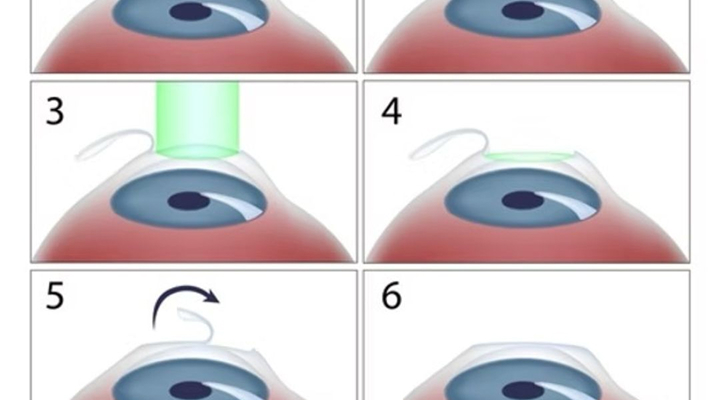
Cataract surgery is amongst the most common and successful medical procedures worldwide. The surgery involves the removal of the cloudy lens, located underneath the cornea. The surgeon will then replace it with a permanent, artificial intraocular lens (IOL).
As a result, your lens will now properly bend (refract) incoming light, which lets you see at a pre-cataract quality of vision. Cataract removal is a day case procedure but note that a biometric eye scan will be necessary before the procedure.
The entire eye cataract surgery procedure is generally 15-30 minutes. You will need to remain for a short while following the procedure as your blood pressure and pulse must be recorded. You can return home the same day, but you must arrange for transport from the hospital.
A clear eye shield will be applied to the eye until the following morning. Your surgeon will provide you with post-operative eye drops and instructions on how to apply them. Follow-up appointments will be issued before you leave the hospital.
Yes, cataract removal is done with topical anaesthetic (eye drops) before the procedure begins, although for some patients, a small dose of anaesthetic is administered in the skin surrounding the eye to freeze it.
Because of this, most patients say that it is painless, although some discomfort is normal during and following the procedure.
Your vision should improve in the first couple of days following the procedure. During this time, you may experience some itchiness and/or discomfort, but this is almost always temporary. Colours may appear more vivid than what you were used to with cataracts.
Most patients have full faculty of vision by around 6-8 weeks following the procedure. Your surgeon will give you after-care advice and schedule follow-up appointments afterwards.
Do:
Don’t:

After cataract surgery, you cannot safely operate a motor vehicle and must arrange for transport from the hospital. Do not endanger yourself or others and refrain from driving as per your surgeon’s directions.
For most patients, 1-3 days of recovery may be needed until daytime driving is safe again. You may be advised not to drive at night for up to 2-4 weeks. Once your vision meets the legal driving standard in Ireland and your surgeon is satisfied that it’s safe to drive, you can resume driving.
Naturally, a big question that’s often asked is how much is cataract surgery in Ireland? The cost of cataract surgery in Ireland is variable and depends on several important factors: the type of artificial lens (IOL) to be implanted, hospital fees, and the complexity of the procedure.
Cataract surgery costs in Ireland may be covered by your existing health insurance cover, the ROI Reimbursement Scheme, or self-pay for those without insurance cover. Eye Clinic Dublin accepts multiple forms of payment. To find out more regarding private cataract surgery cost, we encourage you to schedule a consultation for personalised pricing.
There are several different IOL options which may be suitable for you to improve your vision, each offering various advantages. These include:
All clients are treated with all due respect and dignity and given full care, from initial consultation to the procedure itself at the Mater Private in Dublin, and aftercare during recovery. From the initial consultation to the procedure itself, all clients are treated with respect and dignity and given full care at Mater private in Dublin. Full aftercare is provided during recovery.
Cataract surgery typically takes around 15-30 minutes for the procedure itself, depending on the complexity of the procedure. Additionally, patients should expect to wait for a further 30 minutes following the surgery to recover from the anaesthetic, have a light snack, and receive further directions from the surgeon.
Most patients recover enough vision to continue their everyday life after around 2-3 days. A full recovery usually takes about 6-8 weeks
The cost of cataract surgery in Ireland varies from clinic to clinic and from patient to patient, depending on their circumstances. Generally, cataract surgery costs in Ireland are around €2,500-€3,500 per eye.
You can drive after cataract surgery only when your vision meets the safe legal driving standard in Ireland. Upon the guidance given by your surgeon following the procedure, you may need to wait around 1-3 days to resume daytime driving, and around 2-4 weeks to resume night driving.
Patients typically experience little to no pain at all during cataract surgery due to the application of topical anaesthetic (eye drops) and, when necessary, injection into the skin near the eye.
After cataract surgery, you may experience colours far more vividly than what you’re accustomed to and you may experience discomfort or itchiness, so refrain from rubbing your eyes. These temporary effects typically go away after the first few days and recovery gradually continues for the next few weeks.